
Neuropathophysiology
- Created in About Chiropractic Care, Vertebral Subluxation
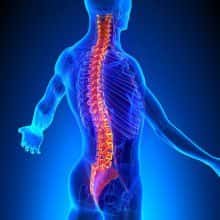
Neuropathophysiology refers to pathophysiological conditions that affect the nervous system. A more recognizable term may be neuropathy. Neuropathy is not a single disease; rather, it is an umbrella term used to describe a host of disorders that affect various nerves in various ways, in various areas of the body.
It can affect three types of nerves:
- Motor – Controls the body’s muscles
- Sensory – Is responsible for processing information obtained by way our vision, hearing, touch, taste and smell and sending it to our brain, which then interprets that information. For instance, the sensation of cold, heat and pain
- Autonomic – Regulates the involuntary functions of our internal organs (the viscera) such as the heart’s beat and our glands ability to produce sweat
Causes of Neuropathy
Physical trauma, such as that occurred during an automobile accident, can lead to neuropathy, but so can:
- Infection (i.e., viral and bacterial)
- Some drugs (e.g., those used to treat cardiac problems, seizures, infections and cancer)
- Toxic exposure (e.g. excessive alcohol use)
- Metabolic disorders
- Repetitive injury
Still, most cases of neuropathy are found in people with diabetes, and it is considered to be a complication of the disease. Known as diabetic neuropathy, this is a microvascular complication that results because of excess blood glucose in people with diabetes. Over time, this surplus can damage the wall of the blood vessels supplying the nerves — often in the legs. Injury to the nerves can lead to a loss of sensation, making some injuries go unnoticed.
Though diabetes is the most common cause of neuropathy, there are other medical conditions that may be involved, such as chronic liver or kidney disease, cancer (e.g., lymphoma), AIDS or Lyme disease.
Symptoms of Neuropathy
Many people describe the pain associated with neuropathy as tingling or burning, but there are also those who suffer a loss of sensation. However, a patient’s symptoms largely depend on the type of neuropathy, as well as the specific nerves affected—be they motor, sensory or autonomic, or a combination of the three.
If sensory nerves are involved, symptoms might include:
- Burning, jabbing, stinging, sharp or electric-like pain
- Sensitivity to touch
- Changes in skin, hair or nails
- Gradual numbness or tingling sensation, often in the hands or feet
- Loss of coordination
If motor nerves are involved, symptoms could include:
- Paralysis
- Muscle weakness
If autonomic nerves are involved, symptoms could include:
- Dizziness (due to modifications in blood pressure)
- Intolerance to heat
- Digestive, bowel or bladder problems
Treating Neuropathy
In addition to treatment you might receive from your primary care physician, stress-relieving therapies like massage and acupuncture, as well as other complementary therapies, including those given by a chiropractor, can help.
For instance, when the vertebrae of the spine deteriorate, such as in the case of vertebral subluxation, the bones can push on the roots of the spinal nerves, resulting in symptoms of neuropathy. Chiropractors can relieve this pressure by doing spinal adjustments to get the vertebrae into alignment, which should free trapped nerves. In cases where the nerves have become compressed by connective tissue, chiropractors may use the active release technique, which is a movement-based massage technique to apply a contact tension, lengthen the tissue, shorten the tissue or make the tissue slide relative to adjacent tissue.
To learn more about what your chiropractor can do for you or someone you know with neuropathy, contact our office today.
Health Resources

The following resources have been assembled to provide you with more chiropractic wellness care information available on the internet.

American Chiropractic Association
www.amerchiro.org
Palmer University
www.palmer.edu
Foundation for Chiropractic and Education Research
www.fcer.org
Children’s Chiropractic Research Foundation
www.icpa4kids.org
Journal for Vertebral Subluxation Research
www.jvsr.com
International Chiropractors Association
www.chiropractic.org
Chiropractic Resource Organization
www.chiro.org
Chiropractic Online Today
www.chiro-online.com
Chiroweb.com
www.chiroweb.com
World Federation of Chiropractic
www.wfc.org
The Association of Chiropractic Colleges
www.chirocolleges.org
World Chiropractic Alliance
www.worldchiropracticalliance.org
Today’s Chiropractic Magazine
www.todayschiropractic.com
National University of Health Sciences
www.nuhs.edu
Life College of Chiropractic
www.life.edu
New York College of Chiropractic
www.nycc.edu